Alt Kapak
Bu çeviri bir makine tarafından oluşturulmuştur ve henüz bir kişi tarafından incelenmemiştir. Bu dili biliyor musunuz? İncelemek için.
Hiç soru yok. İlk soru soran siz olun!
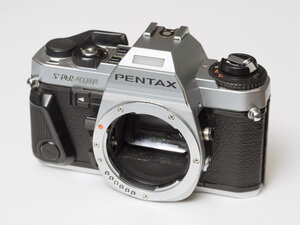
Super Program, Pentax'ın Program pozlama moduna sahip ilk fotoğraf makinesiydi; bu, otomatik pozlama ile çekim yaparken hem enstantane hızını hem de diyafram ayarını seçebildiği anlamına geliyordu. ME Super ile benzer bir genel yapıya sahiptir ancak bazı önemli farklılıkları vardır.

ME Super, güç olmadığında bile en az bir hızda çekim yapabilmesini sağlayan mekanik bir deklanşör serbest bırakma mekanizmasına sahiptir. Ancak Super Program, ayna serbest bırakma mekanizması için bir solenoid kullanır, bu da piller olmadan deklanşörü tetikleyemeyeceği anlamına gelir. Alt plaka çıkarıldıktan sonra mekanik işlevselliği kontrol etmek için ayna manuel olarak serbest bırakılabilir (sağa bakın). Super Program ayrıca, objektif yuvasının arka kısmında bulunan Program ve Enstantane Öncelikli modlarda diyaframı kontrol etmek için ek bir mekanizmaya ihtiyaç duyar. Burası, ME Super'de mekanik zamanlayıcının bulunduğu yerdir ve bu nedenle elektronik bir zamanlayıcı ile değiştirilmiştir.
Her iki fotoğraf makinesinin genel yapısı, ana alt gruplar açısından oldukça benzerdir. Ancak Super Program, daha kapsamlı bir esnek baskı devreye sahiptir ve elektronikleri diğer mekanizmalardan ayırmak için daha fazla lehimleme işlemi gerektirir. Bunun dışında, sökme ve onarım oldukça benzerdir.


Üretim sürecinin bir noktasında Pentax, Super Program'ın elektroniklerinde önemli bir tasarım değişikliği uyguladı. Ana esnek baskı devre yeniden tasarlanarak, el ile yapılan birçok lehim bağlantısı kaldırıldı ve yerine tek bir vidalı konnektör getirildi. Erken üretim modelleri geç üretim modellerinden ayırmanın en kolay yolu, prizmanın üzerindeki elektroniklere bakmaktır. Erken modellerde büyük bir ek entegre devre (IC) bulunurken, geç modellerde çok daha düzenli bir yerleşim vardır.


Sökme işlemi açısından en büyük fark, deklanşör serbest bırakma düzeneğinin altında bulunacaktır. Erken modellerde ana baskı devreyi ön objektif yuvasına bağlayan birkaç el lehimli kablo varken, geç modellerde basit bir esnek bağlantı vardır. Sökme kılavuzlarında, farklı bağlantıları belgelemek için bazı adımlarda her iki üretim varyasyonunun da resimleri bulunmaktadır. Fotoğraf makinenize en uygun talimatları izleyin ve gerekirse ek fotoğraflar çekin.
Pentax Super Program için en yaygın arızalar, sıkışmış bir refleks aynası veya sürekli dönen bir film ilerletme koludur (diğer adıyla "sonsuz sarım"). Her ikisinin de kök nedeni aynıdır: ayna kutusu mekanizmasındaki bozulmuş kauçuk tamponlar. Bu arıza genellikle eski malzemenin temizlenmesiyle onarılabilir (bkz. Ayna Kutusu Sökme kılavuzu).
Çeşitli elektriksel sorunlar bir miktar yaygındır ve genellikle korozyona uğramış pil kontaklarından veya onarılabilir durumda olan iç kablolamadan kaynaklanır. Ayrıca fotoğraf makinesinin içinde, biri aynayı serbest bırakan diğeri diyaframı kontrol eden ve arızalanıp sorunlara yol açabilen iki solenoid bulunur.
Fotoğraf makinesinde zaten bir onarım için kapsamlı bir sökme işlemi yapıyorsanız, gelecekteki sorun olasılığını azaltmak için fotoğraf makinesinin daha tam bir elden geçirilmesini düşünün. Aşağıdaki servis, Super Program'ın en yaygın arıza noktalarını ele alacaktır.
Genel olarak, fotoğraf makineleri çalışmak için yağlamaya ihtiyaç duymazlar. Yağ veya gres olmadan normal bir şekilde çalışabilmeleri gerekir. Sonuç olarak, bir fotoğraf makinesi çalışmıyorsa çözüm yağlama eklemek değildir. Ancak uygun yağlama eklemenin performansı artıracağı veya aşınmayı azaltacağı bazı alanlar vardır. Mümkün olduğunda, kritik noktaları belirlemek için özel fotoğraf makinesi modelinizin servis kılavuzunu kullanın. Bu mevcut olmadığında, bir mekanizmanın ne tür bir yağlamadan faydalanabileceğini belirlemek için bazı genel yönergeler kullanılabilir.
Genel kollar ve dişliler: Yağlama yapılmaz. Fotoğraf makinesindeki mekanizmaların çoğu yağlanmamalıdır. İleri geri hareket eden bir mandal veya dönen bir avara dişlisi yağlama gerektirmez. Böyle bir mekanizma yapışıyorsa, sökülüp temizlenmesi gerekir. Yağlama ücretsiz değildir ve dezavantajları vardır; en önemlisi kir ve pisliği tutmasıdır. Bir arayüz yağlanırsa, korunması için periyodik temizlik ve yeniden yağlama gerekir. Bu yüzden ilk kural şudur: Belirli bir amaca hizmet etmediği sürece yağlama kullanmayın.
Hızlı hareket eden deklanşör mekanizmaları: Hafif bir sentetik yağ (örneğin NyOil). Bunlar, deklanşör tetiklendiğinde hızla dönen veya hareket eden dişliler ve millerdir. Bazı fotoğraf makineleri daha tutarlı enstantane hızları elde etmek için arayüzlerin yağlanmasını gerektirir, ancak Super Program'daki deklanşör hiçbir yağ olmadan kuru çalışır. Deklanşöre servis yaparken sadece temizlik ve yeniden montaj yeterlidir.
Kilitleme noktaları: Molibden disülfit içeren ağır bir lityum gres (NLGI 3-4). Mekanizmaların birbiriyle etkileşime girdiği birçok metal-metal arayüzü vardır; kayma, takılma, kilitleme vb. Bunlar genellikle yüksek sürtünmeli arayüzlerdir ve yağlanmadıkları takdirde zamanla aşınabilirler. Çok yapışkan olan ve uygulanan yüzeylerde yerinde kalacak bir gres seçin. Molibden katkı maddesi, malzeme yüzeyindeki aşınmayı daha da azaltmaya yardımcı olur.
Yüksek yük arayüzleri: Molibden disülfit içeren orta ağırlıkta bir lityum gres (NLGI 2-3). Film ilerletme mekanizması bu kategoriye girer; ana sarım dişlisinin milini greslemek, çok daha pürüzsüz bir his sağlamak ve daha da önemlisi aşınmayı önlemek için yaygın bir uygulamadır.
Düğme ve kadran tıkırtıları: Orta ağırlıkta bir lityum gres (NLGI 1-3). Enstantane hızı kadranları, diyafram halkaları vb. Çoğu zaman tıklama sesleri, oluklar arasında atlayan yaylı bir özellik tarafından sağlanacaktır. Bu arayüzler için en iyi yağlamayı seçmek biraz deneme yanılma gerektirebilir çünkü uygun hissi elde etmek büyük ölçüde tıkırtıların geometrisine, yayın kuvvetine ve arayüz malzemelerinin türlerine bağlıdır.
Pentax Super Program Sorun Giderme sayfasına bakın.
Son 24 Saat: 14
Son 7 gün: 54
Son 30 gün: 209
Her zaman: 1,993